 Trading stocks isn’t just about buying low and selling high. There is a lot of in-between, and there are many ways to get your feet wet in different corners of the market. Let’s talk about trade ideas that count for thinking outside the box.
Have you ever considered selling puts? When selling a put, you are essentially getting paid to possibly purchase a security at a better price. What better way is there to buy low? Not only that, but you are immediately provided with a premium to invest elsewhere. Make the right move, and you’ve already been provided with a decent return for your capital.
If you end up owning the security, you’re looking at a stock you’re bullish on and can decide your exit strategy on the way up. Naturally, not every trade is going to work out exactly as planned. That is precisely why you want to entertain trade ideas that help you think outside the box.
Selling covered calls are typically seen as a strategy that buy and hold investors use. But are you familiar with using them as a trading strategy as well? You can hedge against your trades, pocket a premium and minimize any potential losses. Yes, you might be limiting your profits somewhat, but you have to learn that it’s okay to leave a little money on the table.
Pocketing profits at the right time is something that every trader needs to learn. Are you always going to get it right? No, you are definitely not going to get it right every time. You can definitely see, however, that using the options market to your advantage is one way to be thinking outside the box when trading stocks.
Consider the fact that buying puts also has its place, especially in a bear market. As a stock trader, you want to know how to make money when the market is heading south. Otherwise, you are up the creek without a paddle, subsequently sitting on the sidelines or continuing to lose money, one or the other.
If you get enough knowledge and confidence behind you, buying calls is also a great strategy because these calls allow you to control more shares with less money. As you can imagine, the profit potential skyrockets. Why fork over the money for all of those shares if you don’t have to, right?
It all sounds easy enough, but that’s not the case. You have to learn about the options market, and that takes time. You want to be comfortable when placing trades, or you could create a chaotic mess. You want to make measured moves when it comes to the market.
Don’t ever allow your appetite for profits to cause you to place irrational trades. Don’t ever chase a climbing stock either. The absolute best virtue here is patience, and the options market will both teach you and test your patience. If you’re going to call yourself a stock trader, ignoring the options market would be irrational. It’s time to play with the big boys. Visit Trade Ideas Review to learn more.
 Would you like to purchase a motorcycle for a discounted price? You may have always wanted one, but you realize that you did not have enough money to acquire the one that you would prefer riding. In some cases, you can find a used one for sale, but you may not want to do that because you don’t know the history of the bike. There are ways, however, to get discount prices on these motorbikes. Here are a few tips on how to find motorcycles that are priced affordably, ones that you would actually want to own.
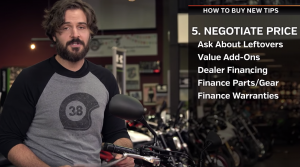 Once you decide to buy a motorcycle, do not rush to buy it. This is the perfect time to do thorough research because you want to buy a bike that you will use for several years. Most first-time buyers rush to buy a bike, so they end up buying the wrong bike and they sell that bike in a few months. Most of them lose a lot of money selling their bike.